
Introduction
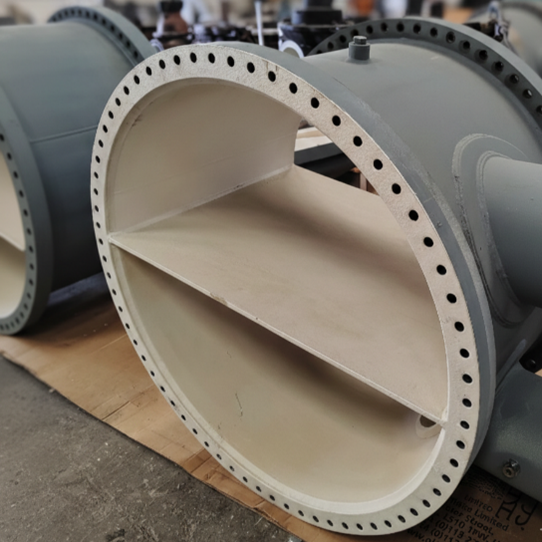
In today’s industrial landscape, where equipment is constantly exposed to aggressive chemicals, moisture, and extreme environmental conditions, corrosion protection plays a critical role in ensuring operational efficiency and asset longevity. Industries such as oil & gas, marine, power generation, and chemical processing face continuous challenges in maintaining infrastructure reliability. Without effective protection, corrosion can lead to costly repairs, safety hazards, and unexpected downtime.
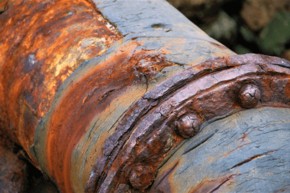
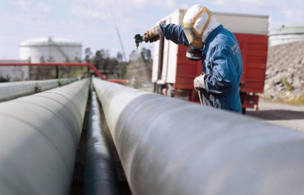
This is where glass flake coating emerges as a highly advanced and dependable solution. Known for its superior barrier properties and long-lasting performance, this coating technology has become a cornerstone in modern corrosion protection strategies. Companies like Kirloskar Corrocoat are leading the way by delivering innovative glass flake coating systems designed to withstand the harshest operating conditions.
Understanding Glass Flake Coating Technology
Glass flake coating is a specialized protective system that incorporates ultra-thin glass flakes within a durable resin matrix such as epoxy, vinyl ester, or polyester. During application, these flakes align parallel to the substrate, forming a dense, layered structure.
In today’s industrial landscape, where equipment is constantly exposed to aggressive chemicals, moisture, and extreme environmental conditions, corrosion protection plays a critical role in ensuring operational efficiency and asset longevity. Industries such as oil & gas, marine, power generation, and chemical processing face continuous challenges in maintaining infrastructure reliability. Without effective protection, corrosion can lead to costly repairs, safety hazards, and unexpected downtime.
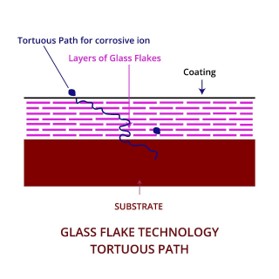
This unique configuration creates a highly effective barrier that significantly slows down the penetration of corrosive elements such as water, oxygen, and chemicals. The result is enhanced protection against corrosion, even in environments where conventional coatings tend to fail.
The Science Behind Its Effectiveness
The strength of glass flake coating lies in its “tortuous path” mechanism. Unlike traditional coatings that allow direct diffusion, the overlapping glass flakes force corrosive agents to navigate a complex and extended pathway before reaching the substrate.
This dramatically reduces permeability and prevents the initiation of corrosion. Additionally, the resin system binds the flakes together, ensuring strong adhesion, mechanical integrity, and resistance to environmental stress.
Key Performance Characteristics
Glass flake coatings are engineered to deliver exceptional performance across multiple parameters:
Low Permeability
The layered glass flakes create an impermeable barrier that minimizes moisture and chemical ingress.
High Chemical Resistance
Capable of withstanding exposure to acids, alkalis, solvents, and saline environments across a wide pH range.
Thermal Endurance
Maintains structural integrity at elevated temperatures, making it suitable for both immersed and non-immersed applications.
Strong Adhesion
Provides excellent bonding with metal and concrete substrates, ensuring long-term durability.
Abrasion and Erosion Resistance
The presence of glass flakes enhances surface hardness, protecting against wear caused by fluid flow and particulate matter.
Industrial Applications
Due to its versatility and robustness, glass flake coating is widely used across various sectors:
- Oil & Gas: Pipelines, storage tanks, offshore platforms
- Marine Industry: Ship hulls, ballast tanks, seawater systems
- Power Plants: FGD units, cooling towers, water systems
- Chemical Processing: Reactors, vessels, and handling equipment
- Water & Wastewater Treatment: Pipelines, clarifiers, and storage tanks

Its ability to perform under both submerged and atmospheric conditions makes it ideal for critical infrastructure.
Advantages Over Conventional Coatings
Glass flake coatings offer several advantages that set them apart from traditional protective systems:
- Significantly lower permeability
- Extended service life with minimal maintenance
- Superior resistance to harsh chemicals and environments
- Improved mechanical strength and durability
- Reduced lifecycle costs due to long-term performance
These benefits make glass flake coating a preferred choice for industries seeking reliable and cost-effective corrosion protection.
Why Choose Kirloskar Corrocoat
When it comes to delivering high-performance glass flake coating solutions, Kirloskar Corrocoat stands out as a trusted industry leader. With decades of expertise in corrosion protection, the company offers advanced coating systems tailored to meet specific industrial requirements.
Their glass flake coatings are engineered to provide exceptional resistance against corrosion, abrasion, and chemical exposure, ensuring long-lasting asset protection. By focusing on innovation, quality, and performance, Kirloskar Corrocoat helps industries reduce downtime, improve efficiency, and achieve sustainable operations.
Long-Term Benefits of Glass Flake Coating
Adopting glass flake coating technology delivers measurable long-term value:
- Enhanced Asset Life: Protects equipment from premature failure
- Cost Efficiency: Reduces maintenance, repair, and replacement costs
- Operational Reliability: Ensures consistent performance in harsh environments
- Energy Savings: Smooth coating surfaces improve flow efficiency
- Environmental Safety: Minimizes risk of leaks and contamination
Conclusion
Glass flake coating represents a significant advancement in corrosion protection technology, offering unmatched durability, resistance, and reliability. As industries continue to demand higher performance and longer service life from their assets, this coating system has proven to be an indispensable solution.
By leveraging advanced technologies from experts like Kirloskar Corrocoat, businesses can effectively combat corrosion challenges, enhance operational efficiency, and secure long-term success. In an era where durability and sustainability are paramount, glass flake coating is not just a protective measure—it is a strategic investment.